01 · Resilience
Designed to survive the shake
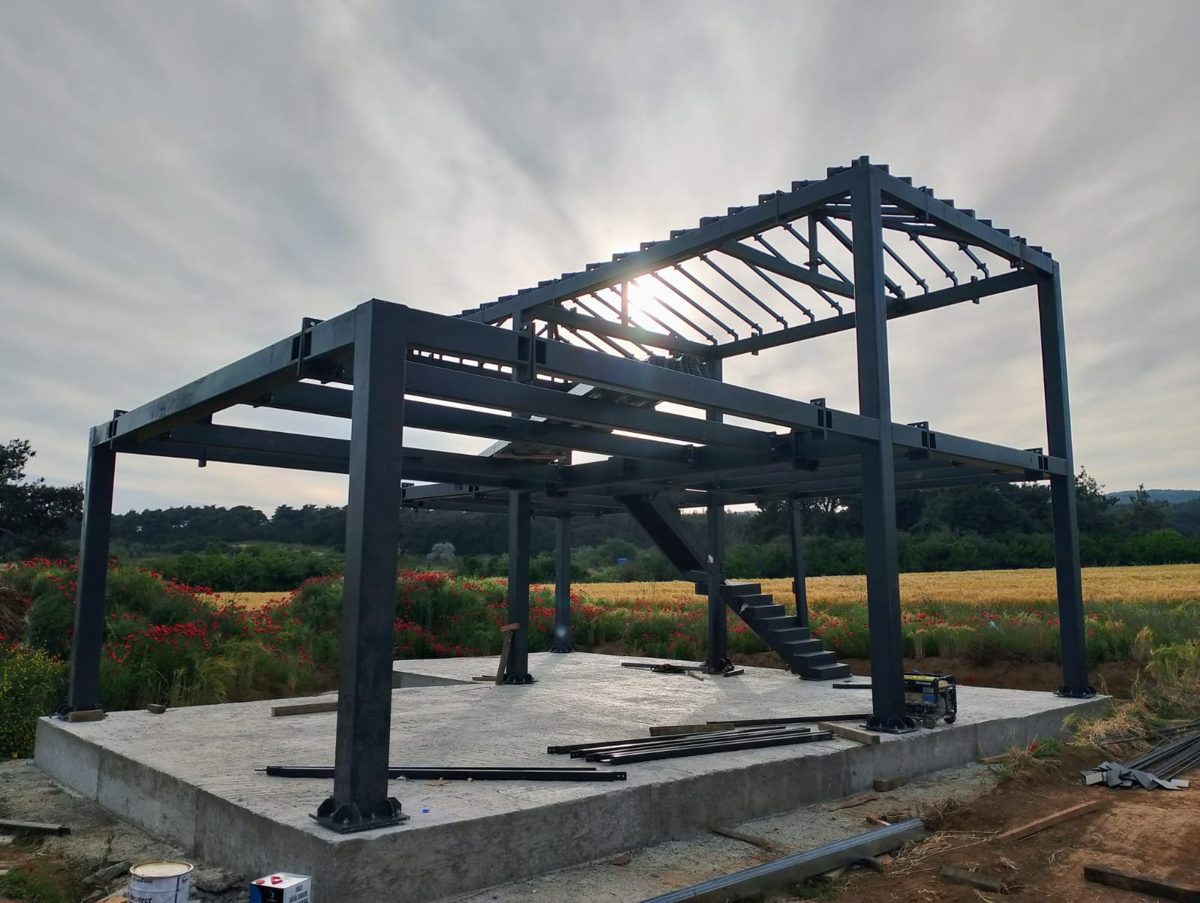
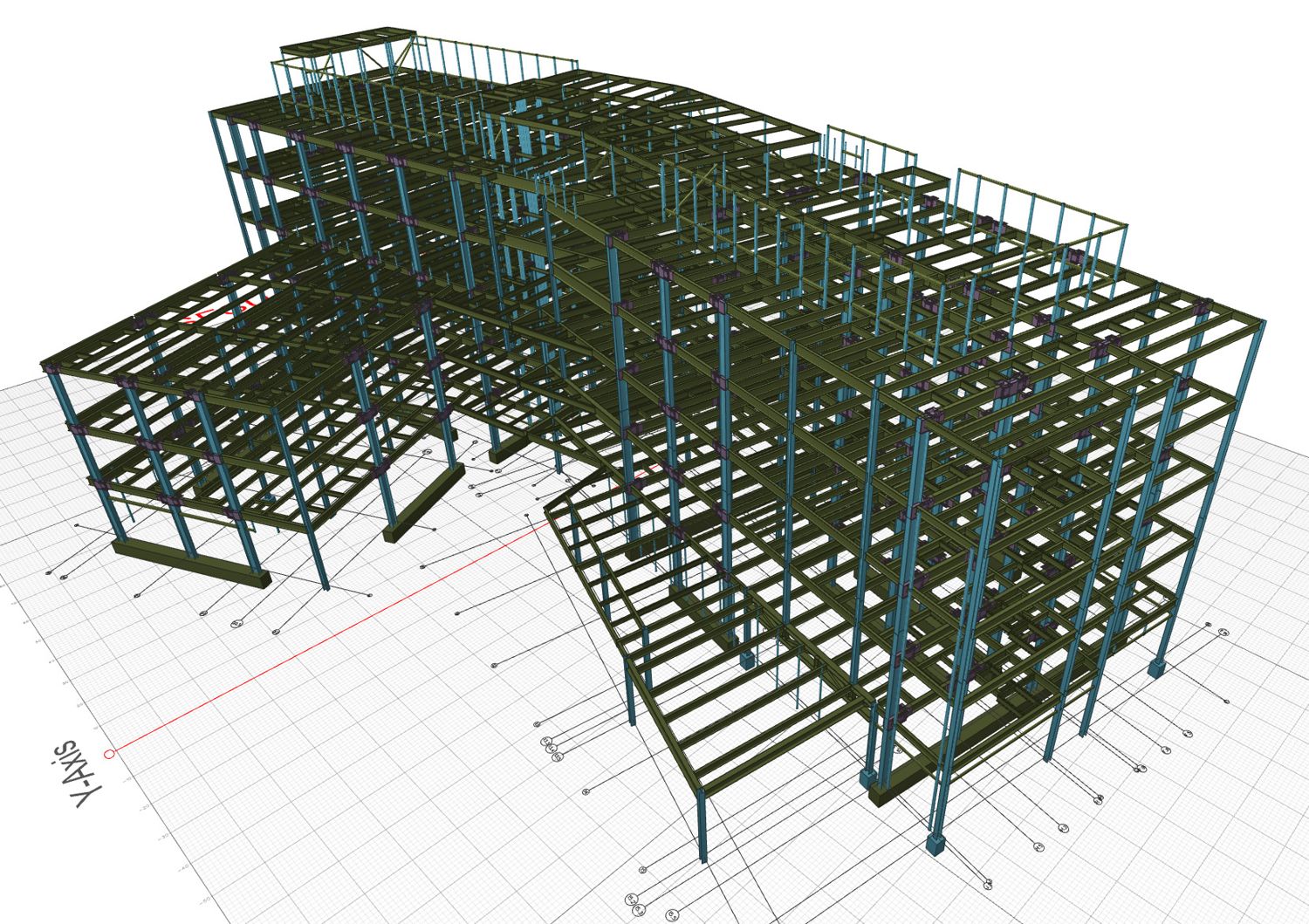
Western Türkiye — İstanbul, İzmir, Bursa, the Marmara and Aegean — sits across active fault zones. Steel's high ductility lets a structure flex and absorb seismic energy rather than fail brittlely, while its low self-weight reduces the inertia forces an earthquake can apply. We design to the capacity principles of the Turkish Seismic Code (TBDY 2018), and prefabrication means frames go up fast with less disruption and less room for site error.
02 · Standards
Built to European code
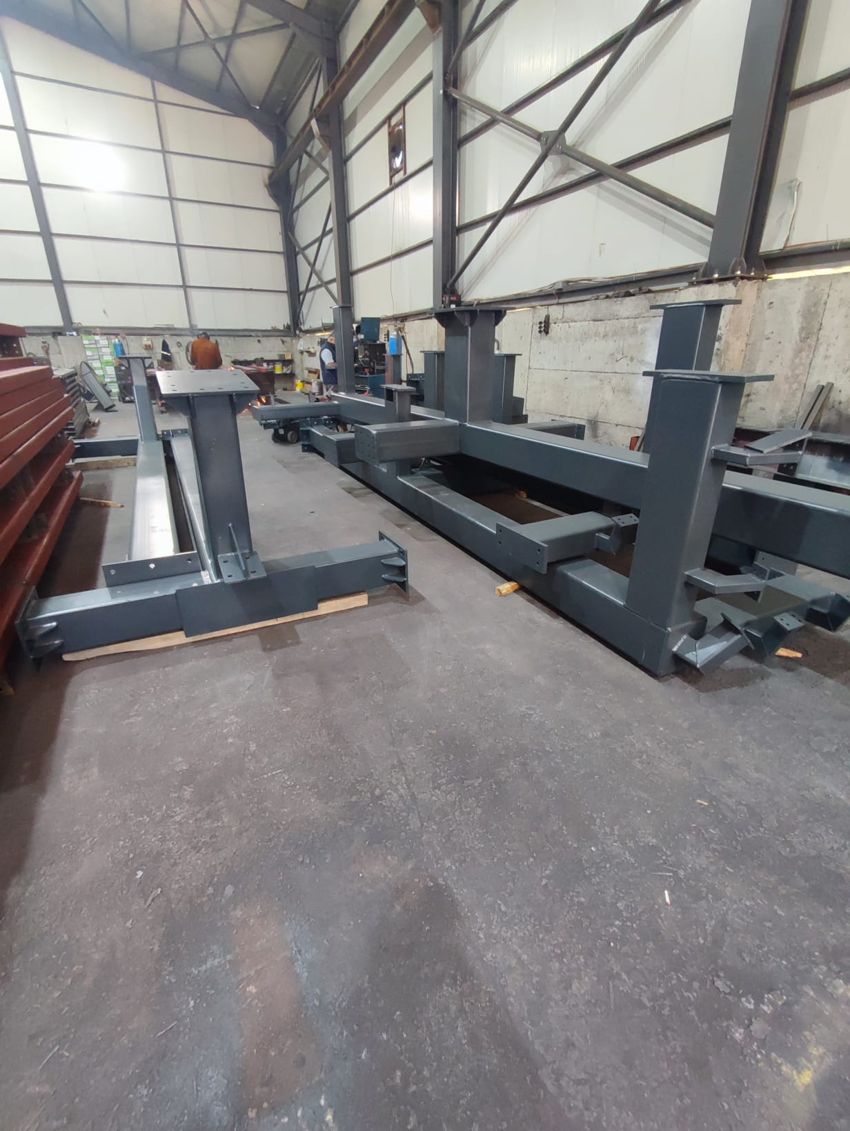
Our fabrication is governed by the Eurocodes — EN 1993 for steel design and EN 1998 for earthquake resistance — and executed to EN 1090, the standard for fabricated steel structures, with CE marking and full conformity documentation. Because much of Western Türkiye's output is exported into the EU, that single quality bar runs the length of the European–Anatolian supply chain. The frame you receive carries the same certification a German or Dutch project would demand.
03 · Circularity
Designed to come apart
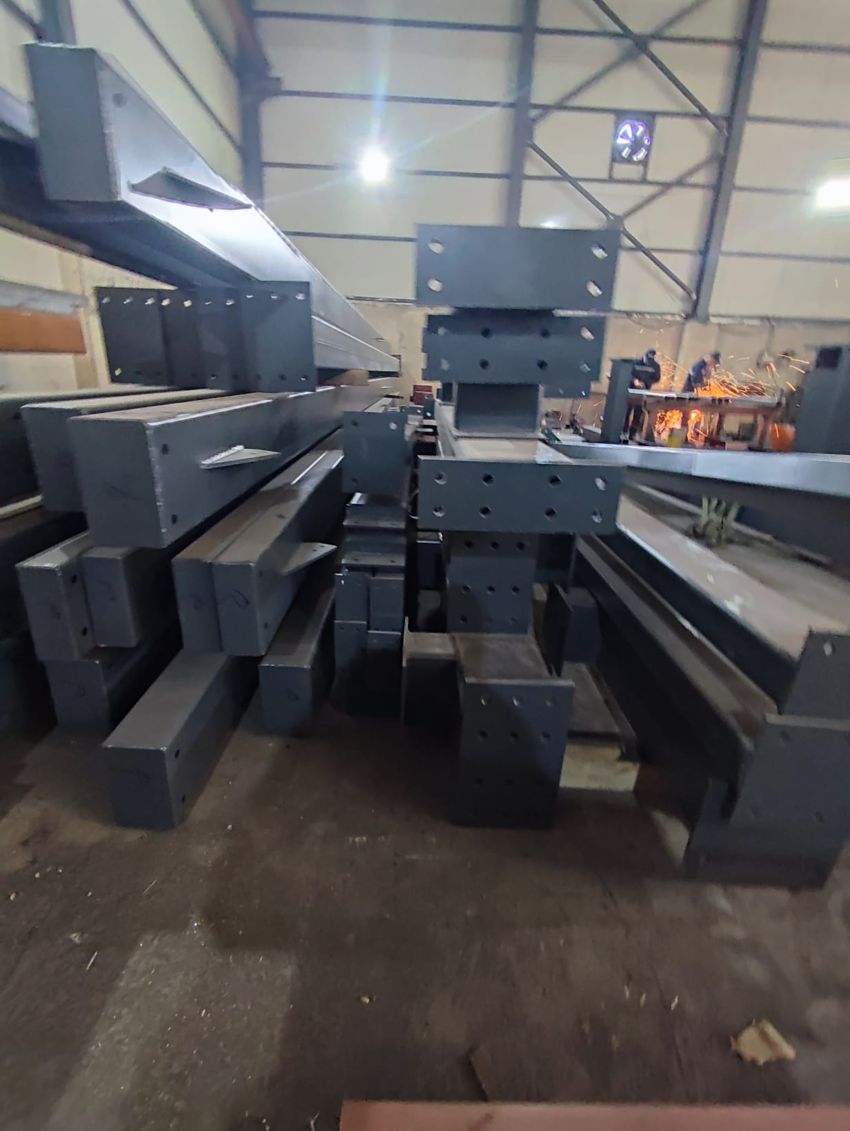
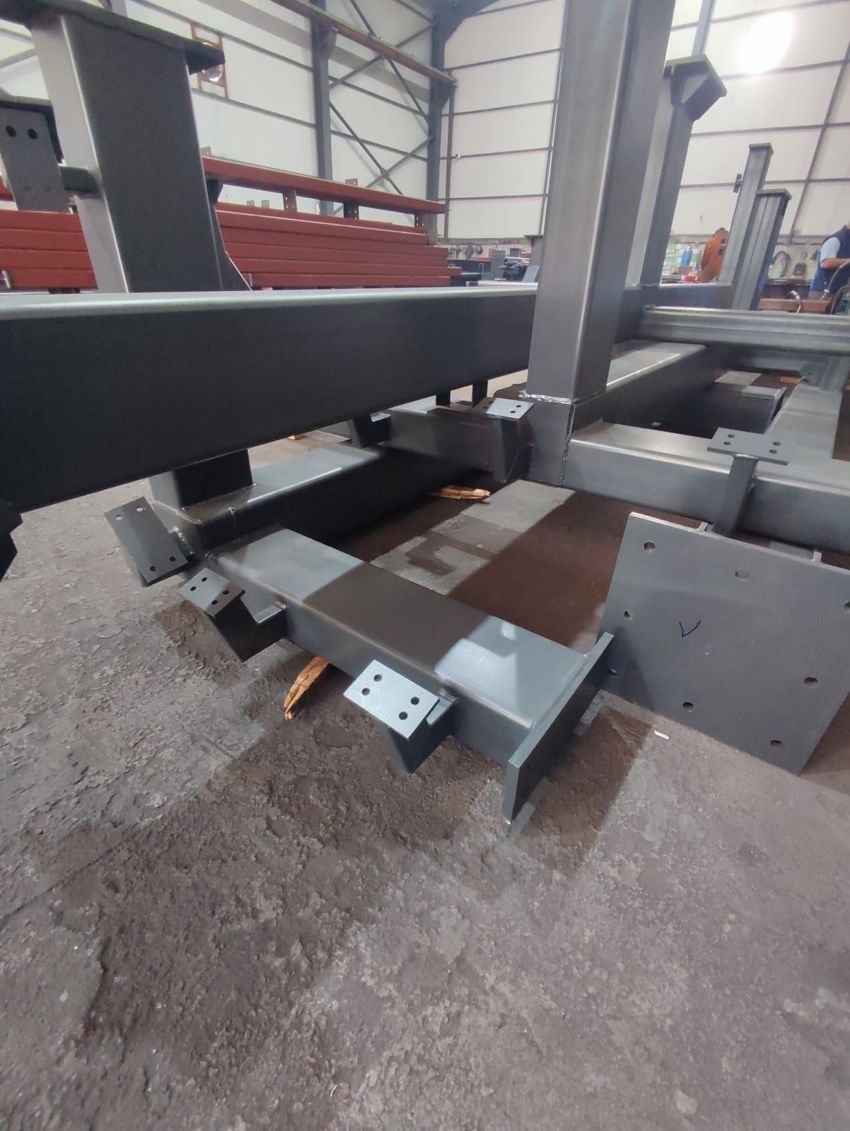
Steel is among the most recyclable building materials, and we design for it. Bolted connections — rather than permanent welds — let a structure be dismantled and the members reused directly in a new project instead of being melted down, the "Design for Deconstruction" approach driving Europe's circular-economy and green-building certifications (BREEAM, DGNB). High strength-to-weight also allows vertical extensions onto existing buildings without overloading old foundations.
04 · Protection
Protected against fire and salt
Steel needs defending from two enemies, and we plan for both. On the Aegean and Mediterranean coasts — high C4/C5 corrosion categories — we specify hot-dip galvanizing and duplex coating systems to stop degradation. For fire, since steel loses strength rapidly past ~550°C, we apply intumescent coatings or board insulation sized to the building's calculated fire load, in line with the standards now enforced on Turkish high-rise work.